
Aftercare for Facial Hair Removal to Prevent Irritation and Ingrown Hair
Living in NYC means exposure to pollution, seasonal weather shifts, and constant environmental stress, all of which can make your skin more reactive after hair removal. Whether you wax, thread, tweeze, or undergo professional treatments, proper aftercare for facial hair removal is essential to prevent irritation and reduce the risk of ingrown hairs.
Facial skin is thinner and more sensitive than most areas of the body. When hair is removed from the root, the follicle is temporarily open and vulnerable. Without the right post-treatment care, this can lead to redness, inflammation, or ingrown hairs. The good news? With the right approach, these reactions are manageable and often preventable.
Let’s break down exactly how to protect your skin after facial hair removal, especially in a busy urban environment like NYC.
Causes and Complications: What Can Happen After Facial Hair Removal
Post facial hair removal, your skin may respond differently depending on the technique, hair growth patterns, and individual skin characteristics. Knowing the potential facial hair removal side effects can help you recognise normal healing responses from situations that need attention.
Possible Causes of Irritation and Bumps
Hair Follicle Trauma – When hair is removed from the root, the follicle and surrounding tissue can become temporarily inflamed.
Curled Hair Regrowth – As hair regrows, a strand may curl back into the skin instead of emerging, leading to ingrown hairs.
Blocked Follicles – Dead skin cells or excess oil can trap regrowing hairs, causing bumps or irritation.
Friction or Pressure – Tight clothing, pillow contact, or repeated touching can rub treated areas and contribute to irritation.
Dry or Compromised Skin – Skin that is dry, stressed by weather, or weakened by previous procedures may be more reactive.
Common Side Effects by Hair Removal Method
Hair removal methods that pull hair from the root, such as waxing or threading, temporarily disrupt the skin barrier. According to dermatology guidance, irritation may occur due to inflammation around the hair follicle. Different methods can affect the skin in different ways, which is why proper aftercare for facial hair removal matters. Here are the common side effects of different hair removal methods:
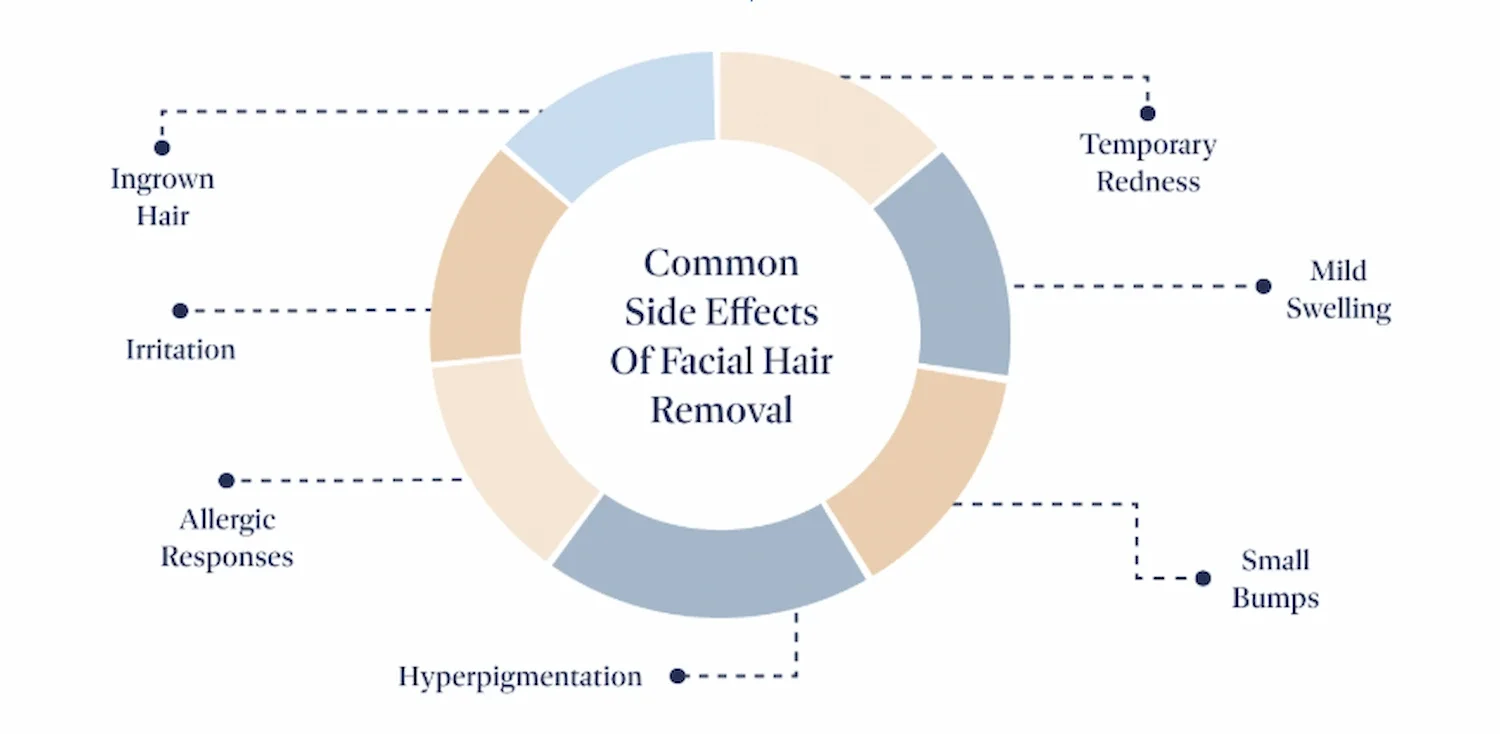
Laser Hair Removal: Temporary redness, mild swelling, and skin sensitivity are common. In rare cases, pigment changes or blisters may occur.
Waxing: Redness, small bumps, and ingrown hairs are typical reactions. Burns or allergic responses can happen if the wax is too hot or unsuitable for your skin.
Shaving: Razor bumps, razor rash, and ingrown hairs may develop, especially with repeated friction.
Hair Removal Creams (Depilatories): These can cause irritation, chemical sensitivity, or temporary darkening if the skin reacts to ingredients.
Most reactions are short-term and improve with proper post-hair removal skincare and gentle care.
Steps to Follow Post-hair Removal Treatments
Step 1: Calm the Skin Immediately After Hair Removal
The first priority is soothing skin after hair removal. Avoid harsh cleansers or active ingredients for at least 24 hours. This includes exfoliating acids, retinoids, or heavily fragranced products.
Instead:
Rinse with lukewarm water
Use a gentle, fragrance-free cleanser
Pat skin dry (don’t rub)
Applying a lightweight, barrier-supporting moisturiser can help reduce moisture loss. For example, products like Reparative Moisture Emulsion contain peptides, botanicals, and antioxidants that help maintain skin smoothness and hydration after environmental stress. When used appropriately, moisturisers like this help reinforce the skin barrier while it recovers.
Step 2: Keep the Skin Hydrated and Protected
Hydration plays a major role in preventing irritation. When skin becomes dry after hair removal, it is more prone to inflammation and ingrown hairs.
A structured best aftercare routine for women often includes:
Gentle cleansing
Barrier-supporting moisturiser
Daily sunscreen application
In colder NYC months, skin may need richer hydration. Moisture-rich formulations such as Sheald Recovery Balm are designed to support dry, sensitive, or post-procedure skin. Its hydrating and protective properties help maintain comfort when the skin barrier feels compromised after treatment.
The goal is not to overload the skin, but to support it while it repairs itself naturally.
Step 3: Avoid Ingrown Hairs on the Face
Many people worry about how to avoid ingrown hairs on face after waxing or threading. Prevention largely comes down to keeping follicles clear and reducing friction.
Here’s what helps:
Avoid touching or picking treated areas
Keep skin clean to reduce bacteria buildup
Wait at least 48 hours before exfoliating
Use gentle exfoliation once healing has begun
Light exfoliation a few days after treatment helps remove dead skin cells that could block hair growth pathways. However, exfoliating too soon can increase irritation; timing matters.
Step 4: Watch for Prolonged Irritation
Temporary redness is normal. But if irritation lasts beyond a few days or worsens, it may indicate excessive inflammation.
Signs that require attention include:
Persistent swelling
Increasing redness
Pus-filled bumps
Pain that does not improve
Professional evaluation ensures that minor reactions do not become larger issues.
At Limoges Beauty, clients are guided on how to care for their skin after treatment in a way that fits their individual skin type and concerns. Having professional guidance can make a noticeable difference, especially if your skin is sensitive or prone to irritation. Personalised advice helps you avoid common mistakes, supports smoother healing, and gives you more confidence in your recovery process.
Step 5: Adjust Your Routine Based on NYC’s Environment
NYC’s climate can affect how your skin heals. Winter dryness increases moisture loss, while summer humidity and pollution can irritate freshly treated skin.
In winters:
Increase hydration support
Protect against wind exposure
In summers:
Prioritise sunscreen
Avoid excessive sweating immediately after treatment
Environmental awareness is part of effective aftercare for facial hair removal, especially in urban settings.
Step 6: Give Your Skin Time Between Treatments
Over-treating facial hair can increase irritation. Allowing adequate time between sessions helps the skin recover fully.
If you undergo professional treatments, spacing sessions properly reduces inflammation and improves long-term comfort. Rushing the process often leads to unnecessary irritation.
When to Consider Professional Facial Hair Removal Options
Repeated irritation from waxing or threading sometimes signals that a longer-term solution may be appropriate. Permanent hair removal methods treat the follicle more directly and may reduce repeated trauma to the skin over time.
Discussing options with trained professionals helps determine what approach aligns best with your skin type and hair growth pattern.
Final Thoughts
Consistent aftercare for facial hair removal goes a long way in preventing irritation and reducing ingrown hairs. Gentle cleansing, proper hydration, and sun protection help your skin recover comfortably, and most facial hair removal side effects are temporary when managed correctly.
It’s also worth noting that hair growth patterns can be influenced by hormonal balance, and questions like “Can diet influence hormonal facial hair in women?” are sometimes explored when hormonal shifts are involved.
With the right guidance and steady aftercare, facial hair removal can feel predictable and manageable, even in NYC’s demanding climate. At Limoges Beauty, the focus remains on personalised care that supports long-term skin health.